Why Deer Watching Matters
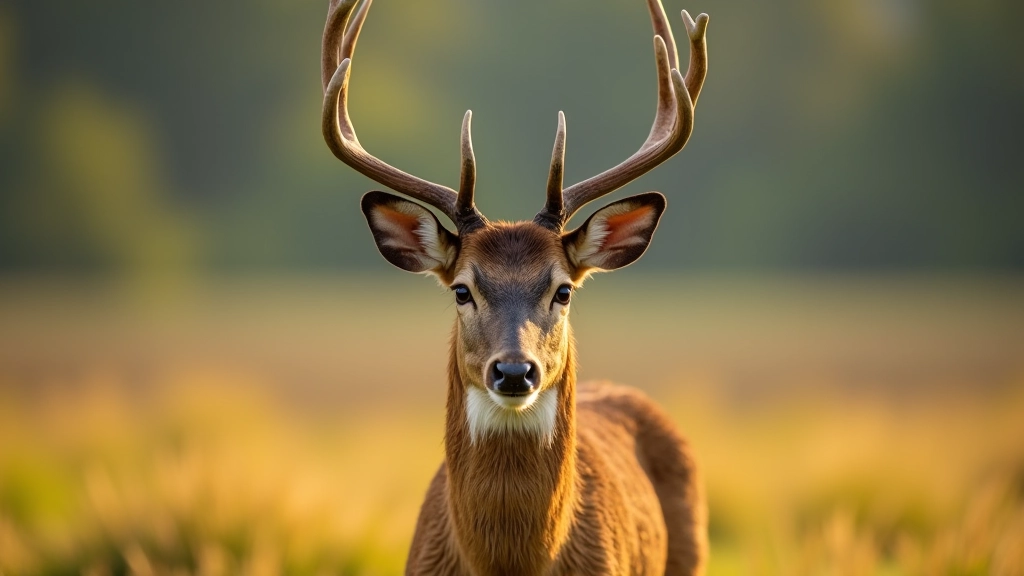
Watching red deer in their natural habitat is one of those experiences that stays with you. You're not just seeing an animal — you're witnessing something wild and genuinely Irish. Killarney's deer have lived in these valleys for centuries, and spotting them connects you to that long history.
The thing is, deer aren't difficult to find if you know what you're doing. Timing matters. Location matters. What you wear and how you move matter. Get these right, and you'll see them. Get them wrong, and you might walk all day seeing nothing but empty hillside.
The Best Times to See Deer
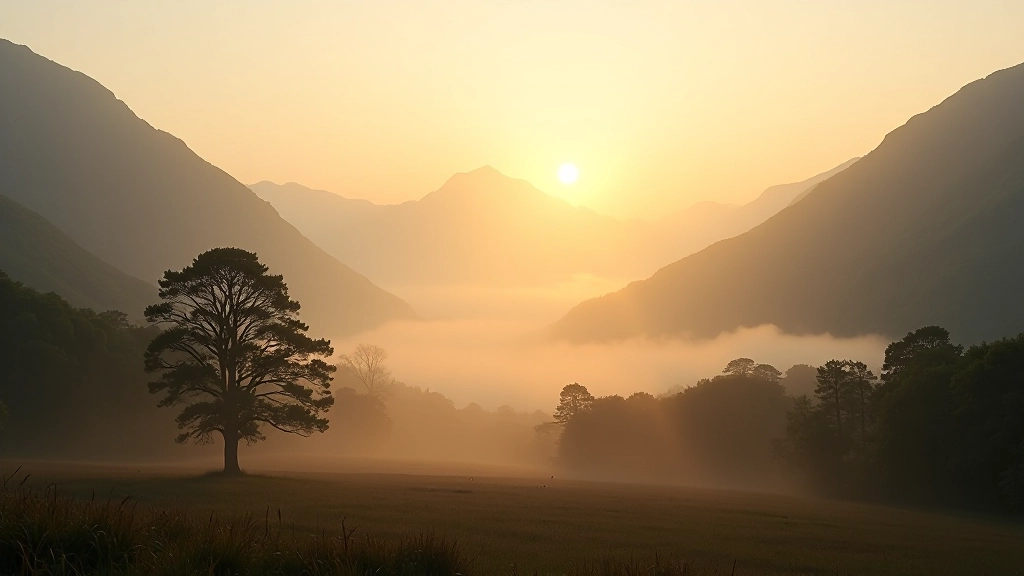
Early morning is everything. You'll want to be out between dawn and about 9 AM. That's when deer are most active — they're feeding after the night, and visibility is clearer. Summer mornings mean you're starting before 6 AM if you want to catch them. Winter's easier because they move later, around 7 or 8 AM.
Best Window:
One hour after sunrise to mid-morning. This is when deer are most active and visible across open ground.
Late afternoon works too — say 4 PM until dusk. Deer move again as temperatures drop. But honestly? Morning is more reliable. You've got better light, fewer walkers, and the deer haven't been disturbed yet.
How to Actually Spot Them
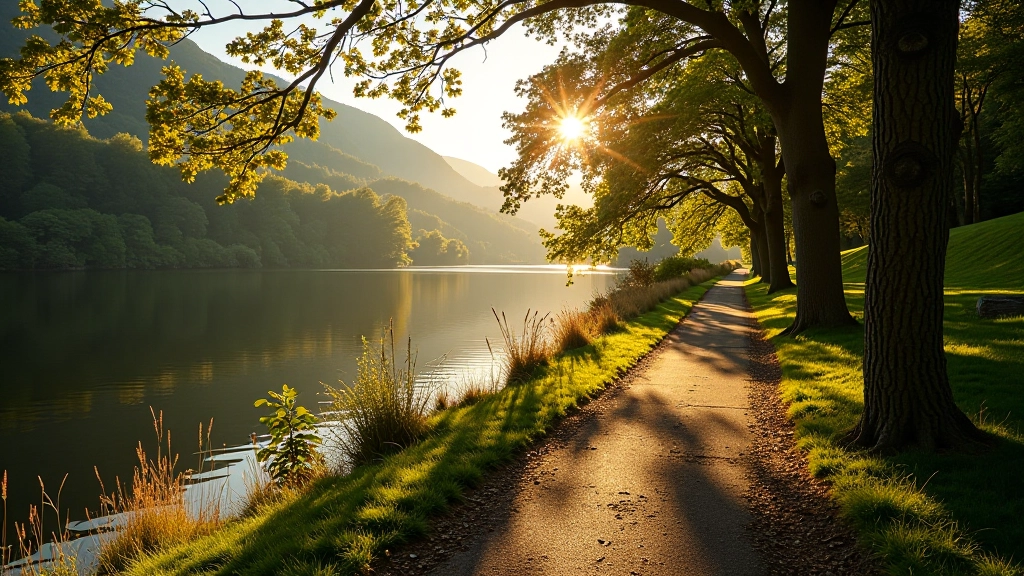
Location is half the battle. Deer favour open ground with access to trees — think the grassland areas around Muckross Lake, the valleys below Purple Mountain, and the areas near the old woodlands. They're not hiding; they're just standing still in landscape that blends them in perfectly.
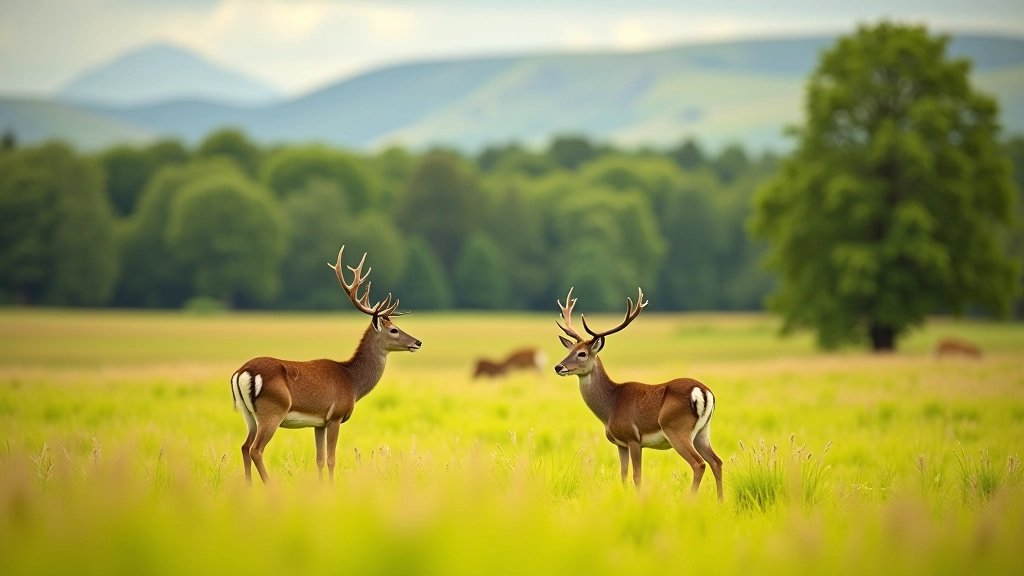
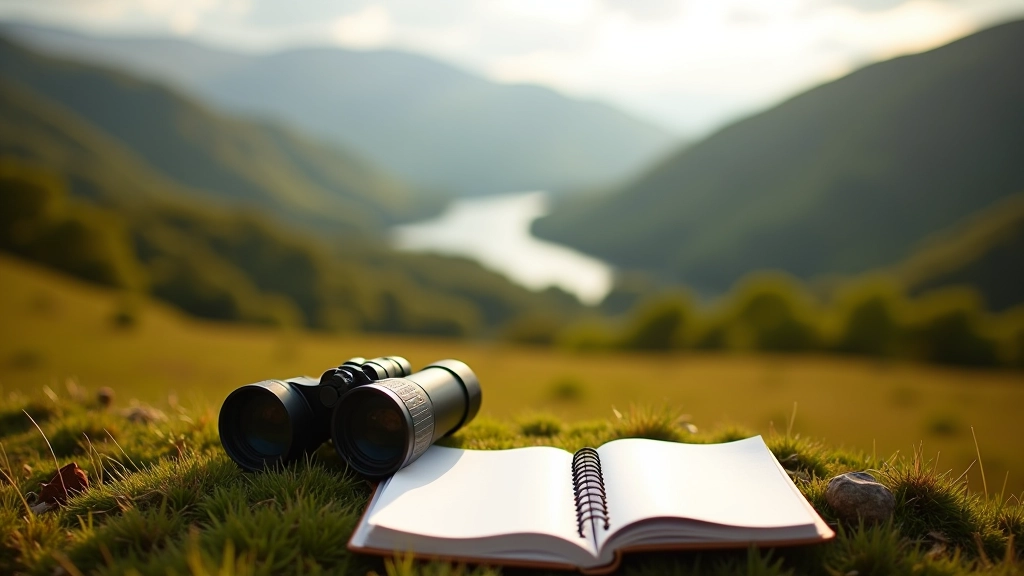
Use your eyes first, binoculars second. Scan the hillsides slowly. Look for movement or a shape that doesn't quite fit. Deer stand out once you know what you're looking for — that reddish-brown colour against green grass, or the distinctive shape of antlers. Once you spot one, stay still. Don't rush toward it. Movement spooks them instantly.
Three Essential Things:
- Approach from downwind so they don't catch your scent
- Move slowly and stop frequently — let your eyes do the work
- Keep low if possible, using natural cover like rocks or fallen trees
What to Bring
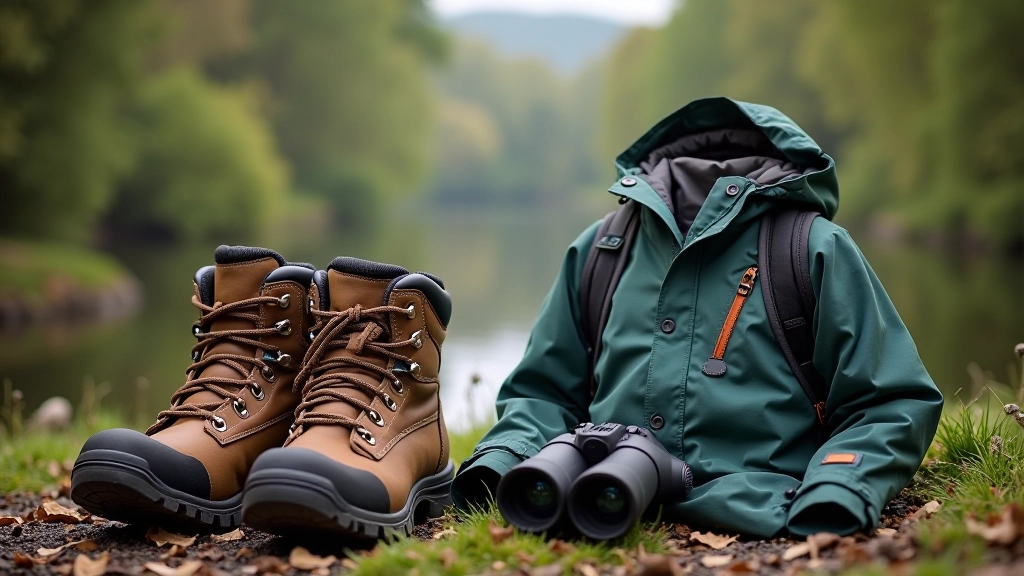
You don't need fancy equipment. Really, you don't. A good pair of binoculars helps — 8x42 is the standard choice for wildlife watching. A notebook's handy for jotting down what you see. But the most important thing is wearing the right clothes.
Neutral colours work best. Browns, greens, greys. Don't wear bright colours or anything that reflects light. Waterproof is essential — you're on Irish hills, and weather changes fast. Bring layers because morning mist means cold, but the sun warms up quick. And proper footwear. You'll be walking on rough ground, possibly wet, possibly steep.
Seasonal Differences
Spring & Summer
Deer are more spread out across higher ground as vegetation grows. You'll need to climb higher to find them. Early starts are essential — summer dawns come at 5 AM or earlier. Midges can be annoying, so bring insect repellent if you're going to sit and wait.
Autumn
This is peak season. Deer are gathering for the rut (mating season), so they're more vocal and visible. You might hear them before you see them. The weather's clearer, and the landscape's changing colour which actually makes spotting them easier against the background.
Winter
Deer move to lower ground where food's available. They're more predictable in their movements. The bare trees mean you've got clearer sightlines. But it's cold, wet, and the ground's boggy. Go prepared for serious weather.
Important Note: Wildlife spotting involves spending time outdoors in sometimes challenging terrain and weather. This guide is informational — circumstances vary based on weather, season, and individual fitness levels. Always check current conditions before heading out, let someone know where you're going, and bring appropriate safety gear. Respect the deer and other wildlife by maintaining distance and following park guidelines.