Oak Woodlands: History and Natural Heritage
These ancient forests tell stories of Kerry's past. Learn what you're seeing on the trail and why these trees matter for local wildlife.
Why Oak Woodlands Matter
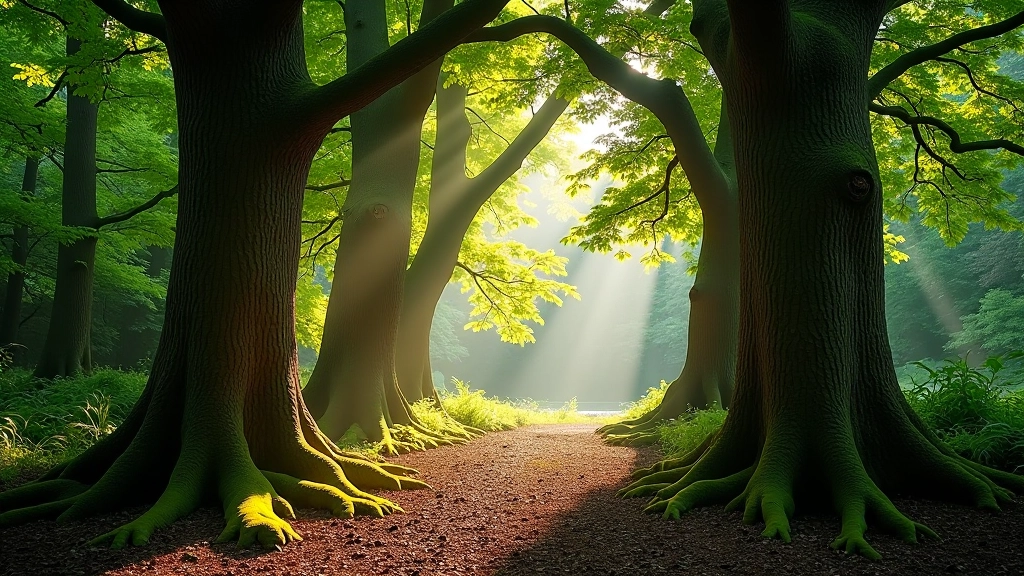
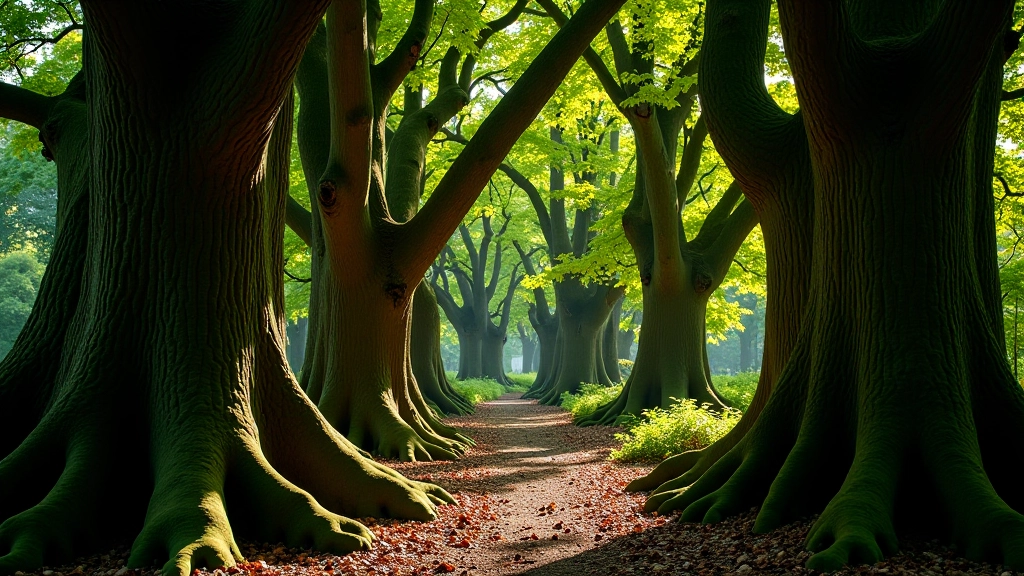
You'll notice something special when you walk through Muckross's oak woodlands. The air feels different — cooler, quieter, alive with history. These aren't just trees. They're living monuments that have stood for centuries, weathering storms and seasons, providing shelter for creatures you might spot on your visit.
The woodlands here are part of Ireland's natural heritage. They're protected, managed, and genuinely worth understanding as you explore the park. When you know what you're looking at, the forest comes alive in ways you didn't expect.
A Forest That Survived Centuries
Killarney's oak woodlands have roots going back centuries — literally and figuratively. The trees here were old when Ireland was still a completely different landscape. Most of the oaks you'll see today are between 200 and 400 years old, some even older.
What's remarkable is that they survived. In the 1700s and 1800s, Ireland lost most of its forests to logging and land clearing. Killarney's woodlands were protected, likely because the owners recognized their value. That decision meant these forests could stay, grow, and become what they are today.
Walking beneath them now, you're standing where people stood generations ago. That continuity matters. The trees anchor you to something real and enduring.
What Makes These Oaks Special
- Age: Many trees are 200-400+ years old, with some dating to medieval times
- Biodiversity: These woods support over 400 species of plants, insects, and animals
- Protection: The woodlands are a Special Area of Conservation under EU law
- Diversity: You'll find sessile oak, downy oak, and pedunculate oak species here
About This Guide: This article provides educational information about Killarney's oak woodlands for visitors. While we've made every effort to ensure accuracy, conditions and management practices may change. Always check official Killarney National Park resources for the most current information about access, safety, and site conditions.
The Life Beneath the Canopy
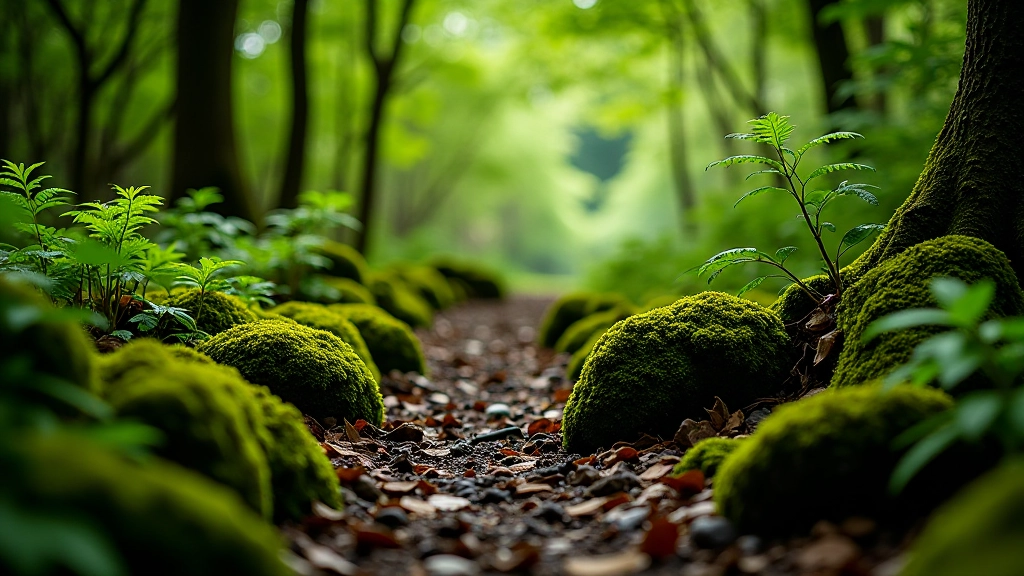
The real magic happens in the layers below the tall oak canopy. The forest floor isn't empty — it's bustling with life. Beneath your feet and among the leaf litter are thousands of species working together in ways that keep the whole ecosystem healthy.
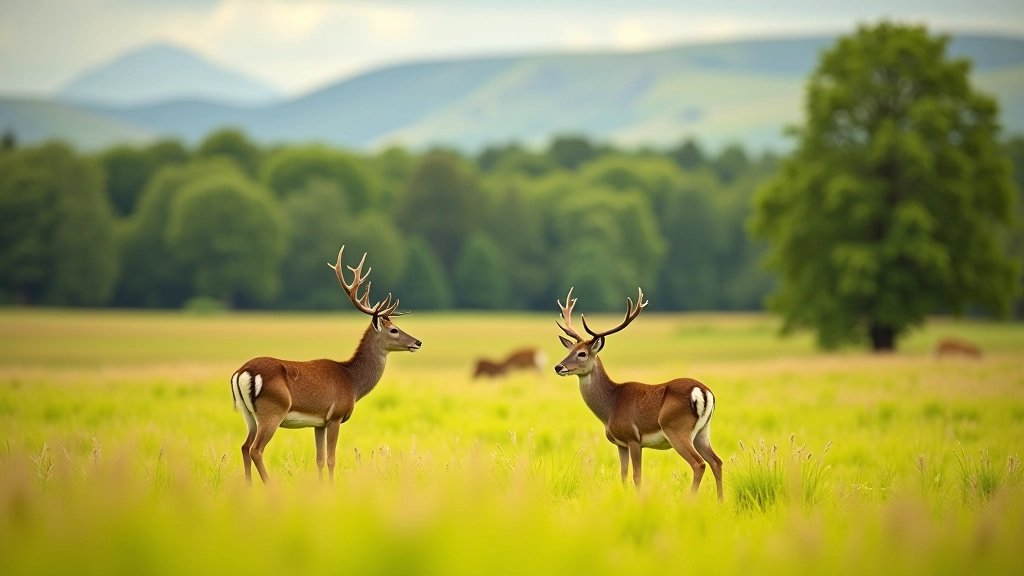
Fungi connect trees to each other underground. Insects break down fallen wood. Birds nest in the upper branches and hunt in the understory. Deer — the red deer you might spot — depend on this complex system for food and shelter. Everything's connected.
When you're walking quietly through the woods, you're moving through this intricate web of relationships. You won't see most of it, but it's there. That's what makes these woodlands so important to protect.
Spotting Trees and Understanding Them
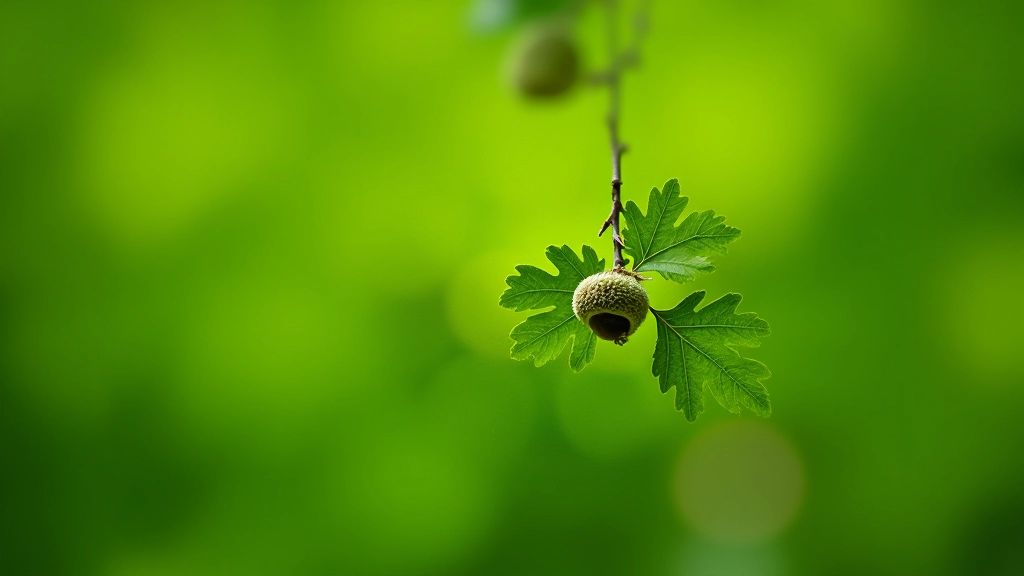
You don't need to be a botanist to appreciate what you're seeing. A few simple observations will deepen your walk. Look at the oak leaves — they're lobed, not smooth like some other trees. The bark is deeply furrowed and thick, protection against weather and time. The acorns, if you visit in autumn, sit in distinctive cup-shaped caps.
Beyond the oaks, you'll notice ash trees, birch, rowan, and holly scattered through the woodland. Each plays a role. The mix creates the diverse habitat that supports all that life we talked about. It's not just one type of tree doing all the work — it's a community.
The best way to learn? Stop walking for a moment. Stand still. Look up at the canopy, down at the ground, around at the variety. Really see what's there. You'll start noticing details you'd otherwise miss.
Taking It With You
The oak woodlands of Killarney aren't just scenery, though they're certainly beautiful. They're evidence of what happens when nature's given a chance to flourish. They're habitat for creatures that depend on them. They're a connection to centuries of history, rooted literally in the earth.
When you walk through these woods, you're part of that story for a moment. You're a visitor in a world that's been here far longer than you, and will be here long after. That's worth taking time to understand. It changes how you see the walk — makes it less about distance covered and more about what you actually encounter.
So next time you're on a trail at Muckross, look up. Look around. Notice the age in those trunks, the complexity in the layers, the quiet intelligence of a system that's been perfecting itself for centuries. You'll enjoy your visit far more for it.

Related Articles